
College World Series Baseball Bracket Breakdown and What It Reveals About This Year’s Contenders
The college baseball postseason follows a unique rhythm. It blends tradition with uncertainty in a way few other sports can match. The bracket does not just organize games. It shapes the story of the season. Fans and analysts try to predict outcomes, but results often shift quickly. Today, many follow the action through digital tools and live updates. Some even explore similar competitive formats on platforms like rollambia, where interactive experiences mirror the tension of real brackets.
Why the College Baseball Bracket Still Defines the Postseason Landscape
The college baseball playoffs bracket sets the tone for the entire postseason. It creates structure, but it also allows room for surprises. Rankings matter at the start, yet they lose power once games begin.
Teams must adjust fast. A loss does not always mean elimination, but it changes the path forward. Coaches manage pitching and lineups with care, knowing every decision matters. The format rewards teams that stay flexible.
“The bracket isn’t just about who’s better—it’s about who adapts fastest,” one longtime college coach once said.
Fans watch the bracket evolve in real time. Each result changes expectations. The path to Omaha rarely stays predictable.
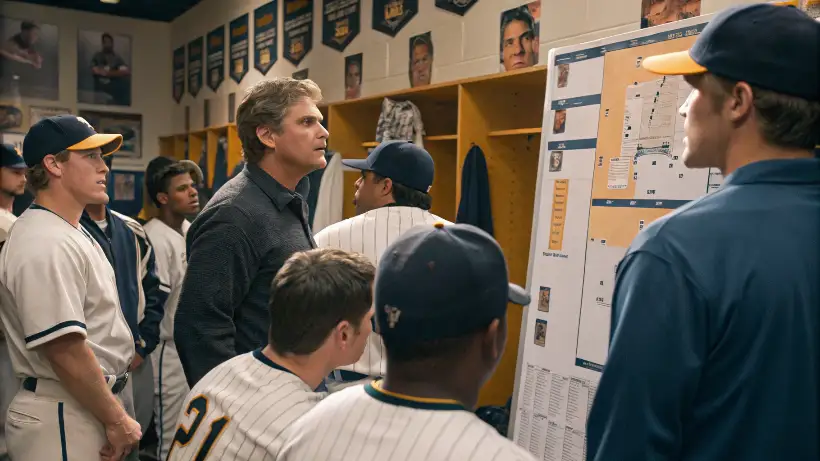
From Regionals to Omaha: Breaking Down the College World Series Baseball Bracket
The road to the College World Series follows a clear structure. Teams move through several stages, each with its own pressure and pace. The format tests both skill and endurance.
| Stage | Format | Teams Involved | Key Feature |
|---|---|---|---|
| Regionals | Double-elimination | 64 teams | Hosted by top seeds |
| Super Regionals | Best-of-three series | 16 teams | Head-to-head advancement |
| College World Series | Double-elimination | 8 teams | Split into two brackets |
| Finals | Best-of-three | 2 teams | Determines national champion |
Each stage requires a different approach. In regionals, teams rely on depth to survive multiple games. Super regionals demand consistency in a short series. Once in Omaha, teams must adapt quickly and manage fatigue.
The bracket shows more than matchups. It highlights risk and opportunity. Teams that avoid early losses often gain a strong edge.
Reading Between the Lines: What the College Baseball Bracket Really Tells You
The bracket offers more insight than it first appears. It reveals how teams handle pressure and adjust to changing situations.
Seeding plays a role, but it does not decide outcomes. Travel, opponent familiarity, and timing all influence performance. Coaches often adjust plans based on early results.
Factors That Influence Bracket Outcomes
- Pitching depth beyond the main starters
- Bullpen strength in back-to-back games
- Travel demands and recovery time
- Experience in high-pressure situations
- Offensive consistency against different styles
- Coaching decisions during quick turnarounds
“You don’t win the bracket on paper,” one analyst noted. “You win it in the margins.”
These factors often explain unexpected results. Lower-seeded teams can outperform stronger opponents when conditions shift in their favor. Looking at these details helps fans understand the game more clearly. The bracket becomes a tool for deeper insight, not just a schedule.
College Baseball Bracket Predictions: Contenders, Sleepers, and Volatility
Predictions always play a role in the postseason. Fans want to know which teams will go far and which might surprise.
Top programs often lead the conversation, but success depends on timing. Teams that peak late in the season can outperform higher-ranked opponents.
| Category | Team Profile | Strength | Risk Factor |
|---|---|---|---|
| Top Contenders | Power conference champions | Depth and experience | High expectations pressure |
| Dark Horses | Mid-major standouts | Momentum and cohesion | Limited postseason history |
| Sleepers | Lower seeds with strong arms | Elite pitching | Inconsistent offense |
| Wild Cards | Bubble teams entering late | Unpredictable performance | Lack of stability |
The bracket adds another layer of uncertainty. One upset can change the entire layout. Teams may face tougher paths than expected.
Common Prediction Pitfalls
- Relying too much on rankings
- Ignoring bullpen fatigue
- Overlooking smaller programs
- Expecting a smooth progression
- Missing matchup-specific issues
Avoiding these mistakes helps create more balanced predictions. Still, no bracket ever follows a perfect script.

Beyond the Field: How Bracket Culture Extends Into Digital Fan Engagement
Fans interact with the bracket in new ways today. It is no longer limited to printed sheets or TV updates. Digital tools allow real-time tracking and deeper analysis.
People now follow games, update predictions, and explore matchups online. This makes the experience more active and engaging. Fans feel involved, not just informed.
Data tools also shape how people read the bracket. Metrics and models offer new perspectives. Even casual viewers can explore patterns and probabilities.
This shift connects sports with broader digital habits. The same interest in prediction and strategy appears in other online spaces. The bracket becomes part of a larger interactive culture.
Conclusion
The college baseball bracket continues to define the postseason experience. It brings structure, but it also leaves room for surprises. Teams must adapt quickly, and fans follow every shift along the way. Understanding the bracket adds depth to the game, whether you track every matchup or check results occasionally. Each season tells a new story, shaped by the same system but never repeating itself.